

Obstructive sleep apnea is associated with serious health problems, such as cardiac issues, high blood pressure, diabetes, and strokes, among others. Many patients hear that the CPAP machine is the standard treatment for sleep apnea, but some find it too bulky, uncomfortable, or disruptive, creating another barrier to rest. If a sleep specialist has diagnosed you with sleep apnea and you’re struggling with CPAP, take a moment to learn about oral appliances. This alternative to CPAP is available right at the Center for Cosmetic Dentistry and can help treat sleep apnea in some cases.
At our practice, we believe that high-quality care should also prioritize your comfort. That’s why our three generations of dentists love supporting patients with sleep apnea through oral appliance therapy. We stand behind the treatment as an effective intervention for sleep apnea so much that one of our dentists, Dr. Brian Beard, uses it himself!
Obstructive Sleep Apnea Symptoms
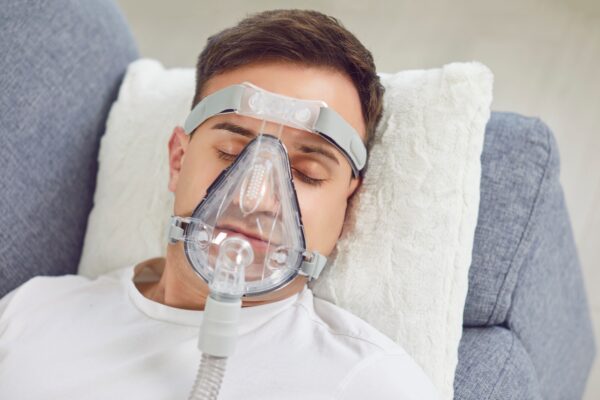 Obstructive sleep apnea happens when your airway becomes blocked, usually due to the collapse of soft tissue in the throat while you sleep. This condition often interrupts your breathing, possibly waking you up gasping for air. If left untreated, repeated episodes of blocked airways can lead to serious health problems like cardiovascular issues.
Here are signs of sleep apnea you should watch out for:
- Loud snoring: Patients with sleep apnea often snore louder and more persistently than those without it. If you constantly snore and wake people up, you may have sleep apnea.
- Breathing pauses: Obstructive sleep apnea can cause you to stop breathing while you sleep. These pauses can be difficult to notice on your own, but a partner or friend nearby can often detect them.
- Morning headaches: Waking up with morning headaches could be a sign of sleep apnea. When you stop breathing for periods during sleep, reduced oxygen levels can affect your body, leading to headaches and impairing your well-being even after you wake up.
- Sleep disturbances: Not sleeping through the night causes daytime sleepiness and fatigue, leading to problems with attention, concentration, and memory.
One of the most frequently used treatments for sleep apnea is a continuous positive airway pressure (CPAP) machine. These machines continuously deliver pressurized air to your nose and/or mouth, keeping your airway open. But many patients struggle with regular use.
Problems With CPAP Treatment Compliance
For many patients, a CPAP machine effectively treats sleep apnea. The challenge is that it only helps when patients can use it consistently. Some patients find that the machine is simply too uncomfortable to stick with for the long haul.
The mask covering the airway may leave pressure marks, sores, or irritation on the face. Patients often feel that the airflow pressure is unnatural. When the mask doesn’t seal properly, leaks reduce the treatment’s effectiveness. If you’re the kind of person who hates tight, cramped spaces, the CPAP may contribute to a feeling of claustrophobia.
While CPAP has been shown to improve sleep quality, this discomfort might make it harder to fall asleep every night, and patients might not adhere to treatment. When you find yourself struggling to rest easily with the CPAP, an oral appliance is an alternative sleep apnea treatment that may be more comfortable.
How Oral Appliances Treat Obstructive Sleep Apnea
Oral appliance therapy is a treatment for sleep apnea that patients often find easier to adjust to. Different appliances improve airflow through different means. For instance, a mandibular advancement device (MAD) gently pulls your lower jaw forward, helping keep your airway open during sleep. This device is custom-fit to your mouth and feels similar to a mouthguard.
Another option is a tongue-retaining device that holds the tongue in place to prevent it from blocking your airway while you sleep.
Treatment with these devices can improve sleep for many patients. However, consistent use, proper maintenance, and follow-up care are key to the best results. Over time, we may need to replace or adjust your device to ensure comfort and effectiveness.
Learn About CPAP Alternatives at a Free Consultation
While snoring can seem harmless, severe obstructive sleep apnea can have serious consequences. CPAP is often recommended to patients as the most effective treatment. But if you simply can’t make it work for you, oral appliances are a more accessible alternative to support better rest! At the Center for Cosmetic Dentistry, we offer CPAP alternatives that keep your airway open with a smaller appliance that is easier to tolerate.
Every one of our doctors loves providing more than one solution to the same problem. That’s why we’re so passionate about oral appliances for healthier sleep. Contact us today for a free consultation to discover non-CPAP treatments for obstructive sleep apnea.
